
Many students achieve excellent grades, yet struggle to communicate confidently, make decisions, or lead others. This growing gap between academic success and real-world readiness has raised serious concerns among educators and parents alike. In fact, student personality development in Haripur has become a critical topic as schools begin to question whether marks alone truly define success.
This blog explores why strong academics without personality growth fall short, what schools often miss, and how a balanced educational approach can transform students into confident individuals.
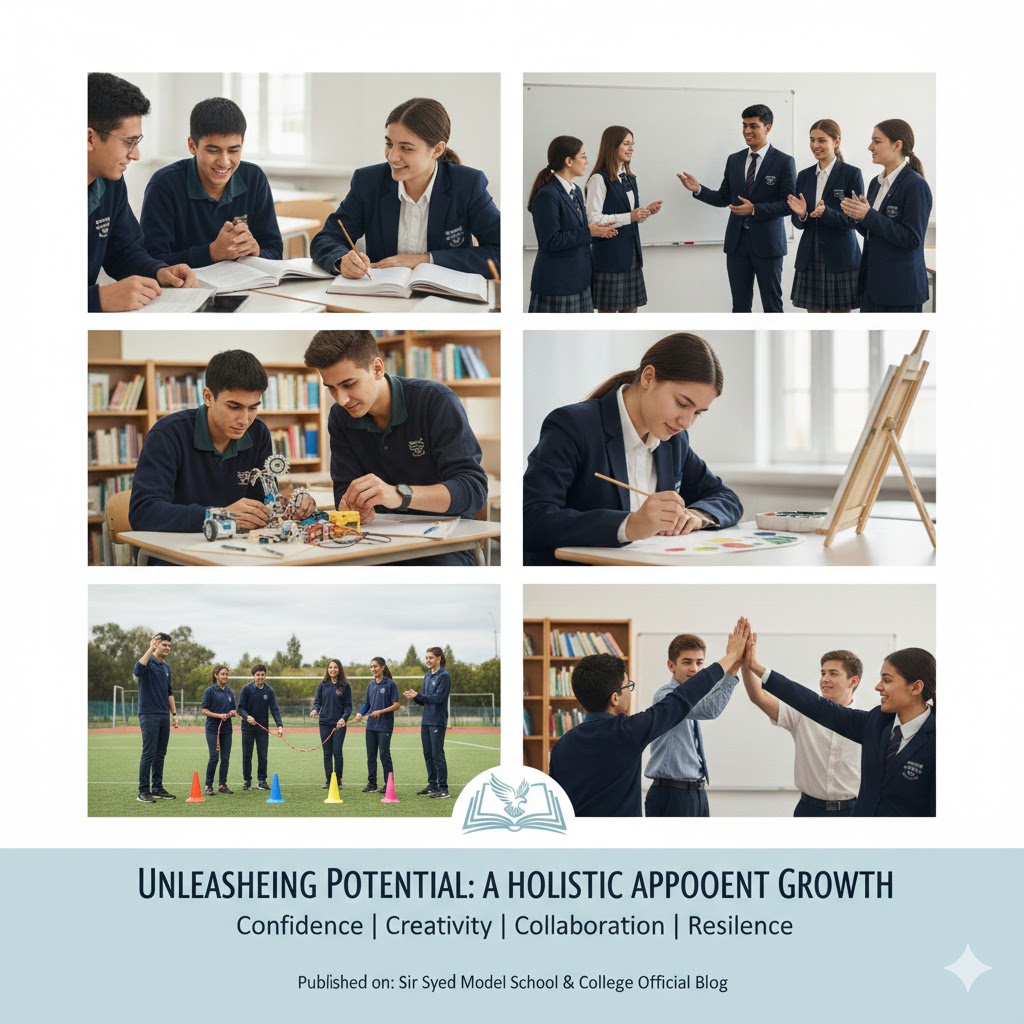
Why Good Marks Alone Are No Longer Enough
Academic achievement remains important. However, modern education demands more than textbook knowledge. Students now face competitive environments where confidence, communication, and adaptability matter just as much as grades.
The Changing Definition of Student Success
Today, universities and employers look for students who can:
- Communicate ideas clearly
- Work confidently in teams
- Handle pressure and setbacks
- Show leadership and emotional intelligence
As a result, student personality development in Haripur must go hand in hand with academic excellence.
What Schools Often Overlook in Personality Development
Many schools focus heavily on exams and results. Unfortunately, this narrow approach can limit a child’s overall growth.
Overemphasis on Rote Learning
When schools prioritize memorization:
- Critical thinking weakens
- Creativity declines
- Confidence remains underdeveloped
Therefore, students may score well but hesitate to speak, lead, or express opinions.
Limited Opportunities Beyond the Classroom
Personality growth requires exposure. However, some institutions offer limited:
- Public speaking activities
- Team-based projects
- Leadership roles
- Co-curricular engagement
Consequently, students lack platforms to develop essential life skills.
Why Student Personality Development Matters in Haripur
Haripur’s educational landscape is evolving rapidly. Parents increasingly seek schools that prepare students not just for exams, but for life.
Academic Pressure and Confidence Gaps
Although many students perform well academically, they often:
- Fear public speaking
- Avoid group discussions
- Struggle with self-expression
This imbalance highlights the need for structured student personality development in Haripur schools.
Key Elements of Strong Student Personality Development
Effective personality development requires intentional planning, not random activities.
Communication and Presentation Skills
Schools should actively encourage:
- Classroom discussions
- Debates and speeches
- English and Urdu communication practice
As a result, students gain clarity, confidence, and self-belief.
Leadership and Responsibility
Leadership grows when students:
- Participate in student councils
- Organize school events
- Take responsibility for group tasks
These experiences shape confident and accountable individuals.
Emotional Intelligence and Discipline
Students must also learn how to:
- Manage stress
- Respect others
- Stay disciplined under pressure
This balance strengthens both academic and personal growth.
How Schools Can Balance Academics and Personality Growth
A modern school system integrates personality development naturally into daily learning.
Activity-Based Learning Approach
Instead of passive learning, schools can:
- Use group projects
- Encourage problem-solving tasks
- Promote classroom interaction
Consequently, students learn collaboration and confidence alongside academics.
Teacher Mentorship and Counseling
Teachers play a crucial role when they:
- Mentor students individually
- Identify confidence gaps early
- Encourage positive behavior
This guidance supports long-term student personality development in Haripur.
How Sir Syed Model School & College Supports Personality Development
Sir Syed Model School & College focuses on holistic education that prepares students for real-life challenges.
Balanced Academic and Co-Curricular Environment
The institution actively promotes:
- Speech competitions
- Leadership opportunities
- Discipline-focused training
- Moral and character education
As a result, students grow academically while building strong personalities.
Student-Centered Learning Culture
Rather than focusing only on marks, the school:
- Encourages student participation
- Builds confidence through exposure
- Supports emotional and social growth
This approach ensures students leave school ready for future challenges.
Conclusion
Good grades may open doors, but strong personality traits help students walk through them confidently. In today’s competitive world, schools must rethink education beyond marks. By prioritizing student personality development in Haripur, institutions can shape confident, disciplined, and capable individuals. Sir Syed Model School & College continues to lead by combining academic excellence with character building. Parents seeking well-rounded education should choose schools that invest in both the mind and the personality of their children.
FAQs
Why is personality development important for students?
Personality development builds confidence, communication skills, and emotional intelligence, which are essential for real-life success.
Can students with good marks still lack confidence?
Yes, many academically strong students struggle with self-expression and leadership due to limited personality development.
How can schools improve student personality development?
Schools can introduce debates, leadership roles, activity-based learning, and mentorship programs.
What role do teachers play in personality development?
Teachers guide, motivate, and mentor students, helping them develop confidence and discipline.
Why is student personality development important in Haripur?
As competition increases, students in Haripur need strong personalities to succeed academically and professionally.
About the Author
This article is written by an education content specialist with experience in school-level academic planning and student development strategies in Pakistan. The insights are based on real educational practices, student behavior studies, and modern schooling standards.